“We are invisible”: Variety’s research reveals thousands of disabled children trapped in temporary accommodation
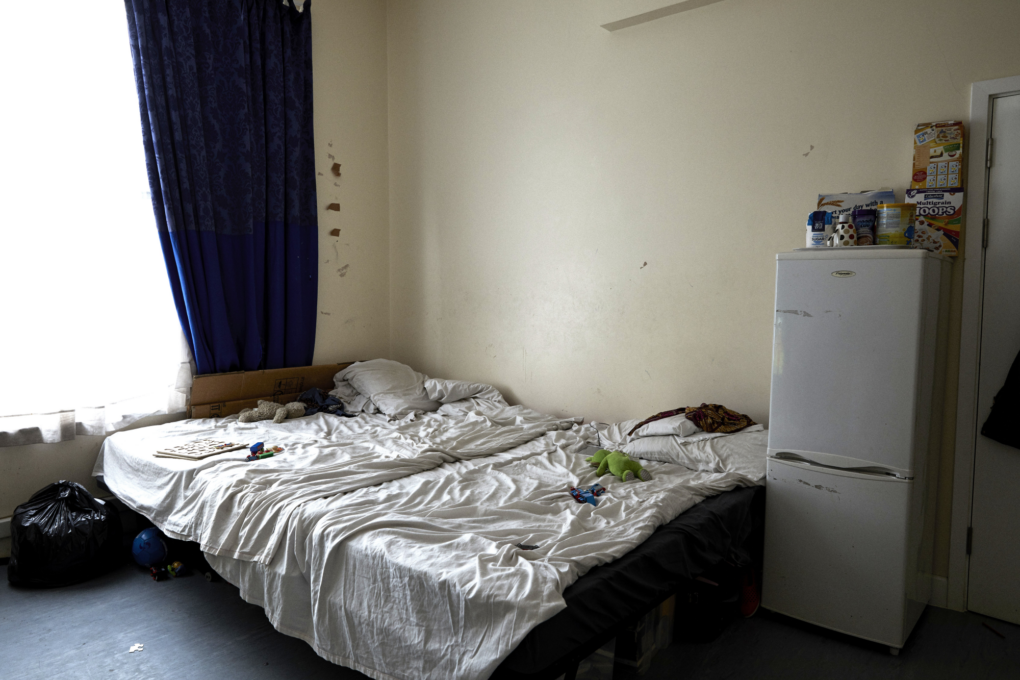
Children with disabilities in England are being housed in unsuitable temporary accommodation that often fails to meet their needs. Many are placed in some of the country’s worst options, such as B&Bs and hostels that often lack essential lifts, ramps, or accessible bathrooms.
As thousands of children with complex physical and sensory needs remain “overlooked” in policy and are left in “unsustainable and dangerous” conditions, Variety, the Children’s Charity, has launched a ground-breaking report: ‘”We are invisible”: children with disabilities in temporary accommodation’.
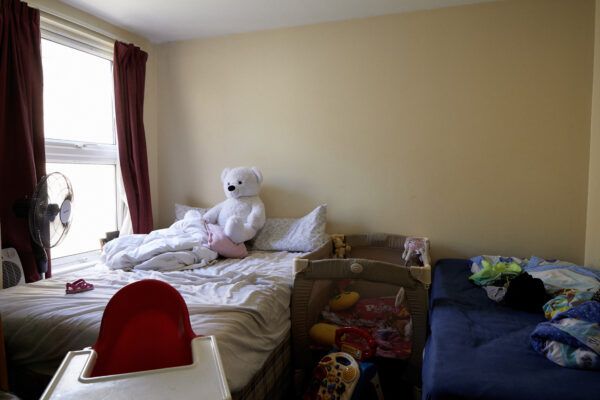
Variety’s investigation, (reported in The Times, Guardian and Big Issue) included Freedom of Information requests to all 296 local housing authorities in England. More than half of those councils (174) were unable to provide data on disabled children in temporary accommodation, effectively rendering these already marginalised families “invisible” within official records. Of these, 31 councils gave no response at all.
The picture becomes increasingly stark considering that between 2019 and 2024 at least 74 children died with temporary accommodation cited as a contributing factor to their ill health or vulnerability.
Living in a secure home is a foundation for a healthy life, yet we are placing disabled, and in many cases highly vulnerable, children in spaces that actively harm them.” – Laurence Guinness, Chief Executive, Variety.
Laurence Guinness, Chief Executive of Variety, the Children’s Charity, comments:
“These findings reveal a devastating reality. Living in a secure home is a foundation for a healthy life, yet we are placing disabled, and in many cases highly vulnerable, children in spaces that actively harm them. We are calling on the government to act now by changing the law to ensure that no disabled children are ever forced to live in temporary accommodation for longer than is absolutely necessary”.
The picture couldn’t be clearer: some of England’s most vulnerable children are being overlooked at the cost of their health and wellbeing.
Imogen, a domestic violence survivor, was placed in a second-floor flat with no lift. Her daughter has restricted mobility, forcing Imogen to carry her up two flights of stairs daily.
Meanwhile Georgia, whose eight-year-old son is autistic and uses a wheelchair, describes their one-bedroom top-floor flat as “camping”. The lack of safety features and constant noise has caused her son to develop severe anxiety and self-isolate.
The situation is dire for parents too, 62% are compelled to leave paid employment or reduce their working hours, which would result in an average annual income loss of £21,174.
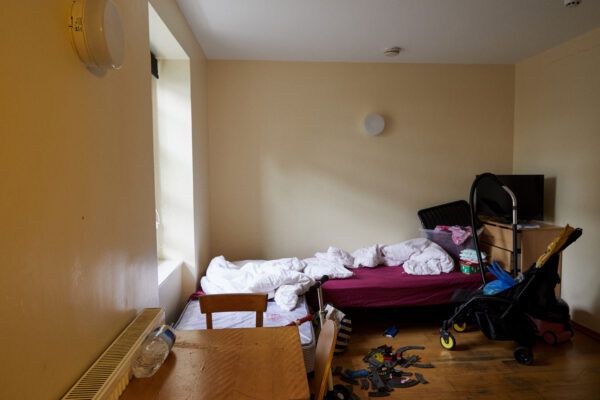
Not only does this lead to a loss of financial autonomy for parents, but it also results in a decrease in contributions to the UK’s economy. This creates a lose-lose situation across the board, something the Government has the power, and a responsibility, to change.
In the Labour government’s five mission statement, released in its 2024 manifesto, the fourth was to ‘Break down barriers to opportunity’. This involved reforming childcare and education systems to ensure “no class ceiling on the ambitions of young people in Britain.”
Included in this is a promise that all local authorities will receive funding to support families in their areas, yet it overlooks the fact that disabled children are currently not accounted for across most local councils.
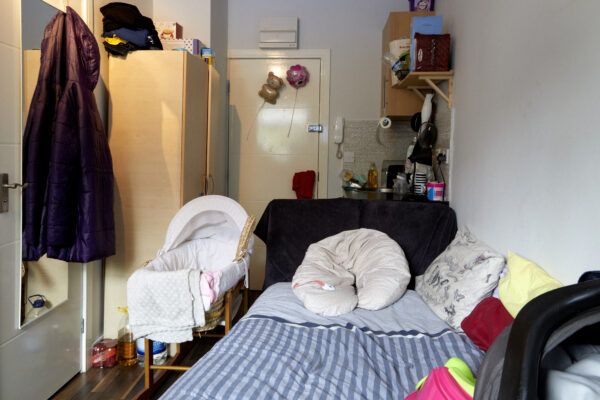
Despite being intended as short-term accommodation, Variety’s findings show that disabled children are stuck in this type of housing for an average of six to ten months, with some cases exceeding six years.
The number of children in temporary accommodation has doubled since 2010, and Variety is calling for five immediate changes to protect disabled children:
- Mandatory data collection: all local authorities must be required to record and monitor disabled children in temporary housing.
- Emergency accommodation ban: introduction of a national policy ensuring no disabled child is placed in B&Bs or hostels as soon as feasibly possible.
- Enforce maximum time limits: a statutory cap on how long a disabled child can remain in temporary housing.
- Quality regulation: national authorities must regulate the accessibility of all temporary housing offered to these families.
- Lift benefit caps: the UK government must exempt families with disabled children from the Local Housing Allowance and Benefit caps to prevent homelessness in the first instance.
Join our community by signing up to our e-newsletter and be part of a movement working towards a future where no child has to live in temporary accommodation. Together, we can raise awareness and drive change for families with disabled children.
Report written by Holly Williams, Variety, the Children’s Charity.
Photo credits: Katie Wilson.
Transform a child’s life
Donate now