The “Impossible Choice”: A wake-up call on behalf of children with disabilities
While the headline figure from the report of 4.5 million children living in poverty is devastating in itself, it’s worth looking deeper, at the intersection where deprivation meets disability.
It is here, in this specific nexus of disadvantage that the system is failing our most vulnerable children most profoundly, as I see every day in my work at Variety, the Children’s Charity.
The report highlights a brutal truth that is often overlooked in economic commentary: that being disabled costs money. The JRF data reveals that families where there are both disabled adults and disabled children face a staggering poverty rate of 33%.
Why is this happening? It is not just about low income; it is about high outgoings. The report rightly notes that disability benefits are often counted as “income” in these statistics, masking the reality that this money is already earmarked for essential, non-negotiable costs such as therapies, specialist equipment, and higher energy usage.
One sentence in the foreword of the report perfectly articulates the context behind the requests for support that we receive daily:
We should not have to make the impossible choice of whether to charge our mobility scooter or switch on the washing machine.”
In 2026, in a wealthy, developed society, no family should be weighing the independence of their child against clean clothes. Yet, we know they are and in increasing numbers.
The report confirms a “definitive deepening of poverty,” with 1 in 3 people in poverty living with a disabled person facing food insecurity.
At Variety, I see the physical manifestation of these statistics.
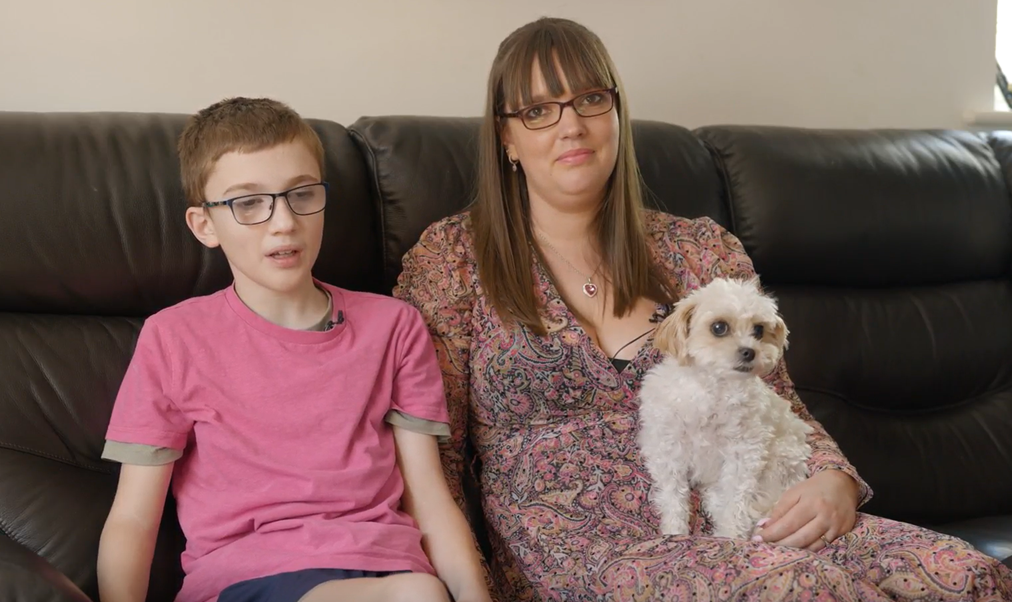
When a family cannot afford food, they certainly cannot afford a £3,000 lightweight wheelchair that the NHS doesn’t fund. They cannot afford specialist sensory play and learning equipment for a child with Autism like Jake in the below video who was slowly retreating into isolation. They cannot afford the electro-stimulation suits that help children to regain their mobility and live full lives without constant pain.
The JRF report notes that 85% of low-income households containing a person with a mental health condition are going without essentials like food or toiletries. This creates a vicious cycle where poverty exacerbates the disability, and the disability entrenches the poverty.
Government policy changes, such as the scrapping of the two-child limit mentioned in the report, are welcome first steps but they are not a complete solution. The structural disadvantage facing disabled and disadvantaged children is immense.
Poverty exacerbates the disability, and the disability entrenches the poverty.”
This is where Variety makes an impact.
We exist to bridge the gap between what the state provides and what a child needs to thrive. Whether it is funding a specialist car seat so a disabled child can leave the house safely, or providing one of our iconic Sunshine Coaches to a special educational needs school so students can access the wider world and develop into independent adults, our work is a direct response to the “additional costs” cited in this report.
We are seeing a huge surge in applications for essentials, equipment that grants a child basic dignity, mobility, and safety.
A call for dignity
The JRF report warns that unless we act, high levels of destitution risk becoming a “permanent feature of the UK’s economic landscape”. We cannot accept this.
We need a social security system that recognises that disability benefits are not a perk, they are a lifeline. But until that systemic change happens, the third sector must hold the line.
At Variety, we will continue to fight for the right of every disabled and disadvantaged child to live a life not defined by what their parents can afford, but by their own potential. But looking at these figures, it is clear: we have a mountain to climb.
Find out more about the Joseph Rowntree Foundation Poverty Report 2026 here.
Transform a child’s life
Donate now